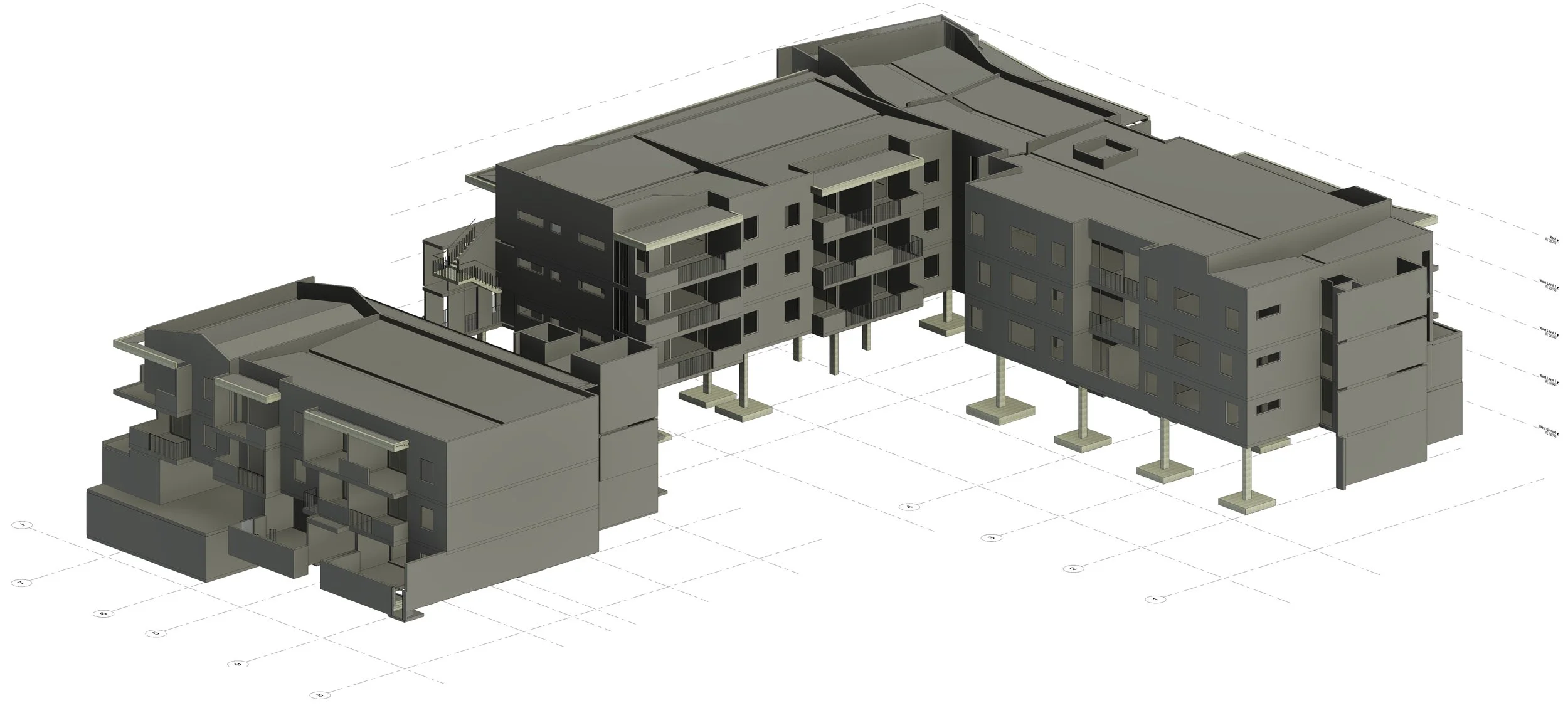
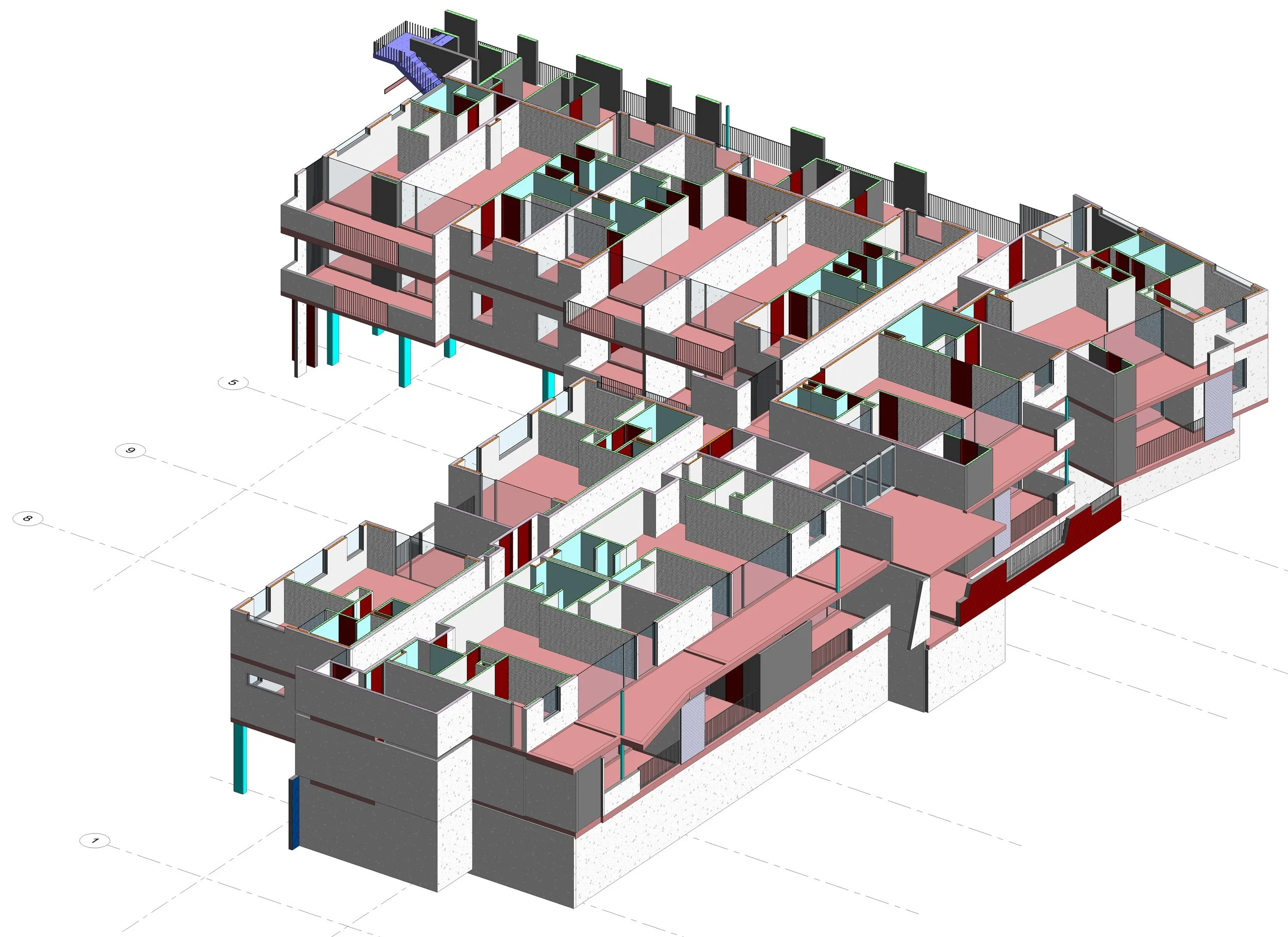
St James Apartments (2025 - 26):
Builder-led BIM Coordination & Digital Engineering
Project overview (high-level):
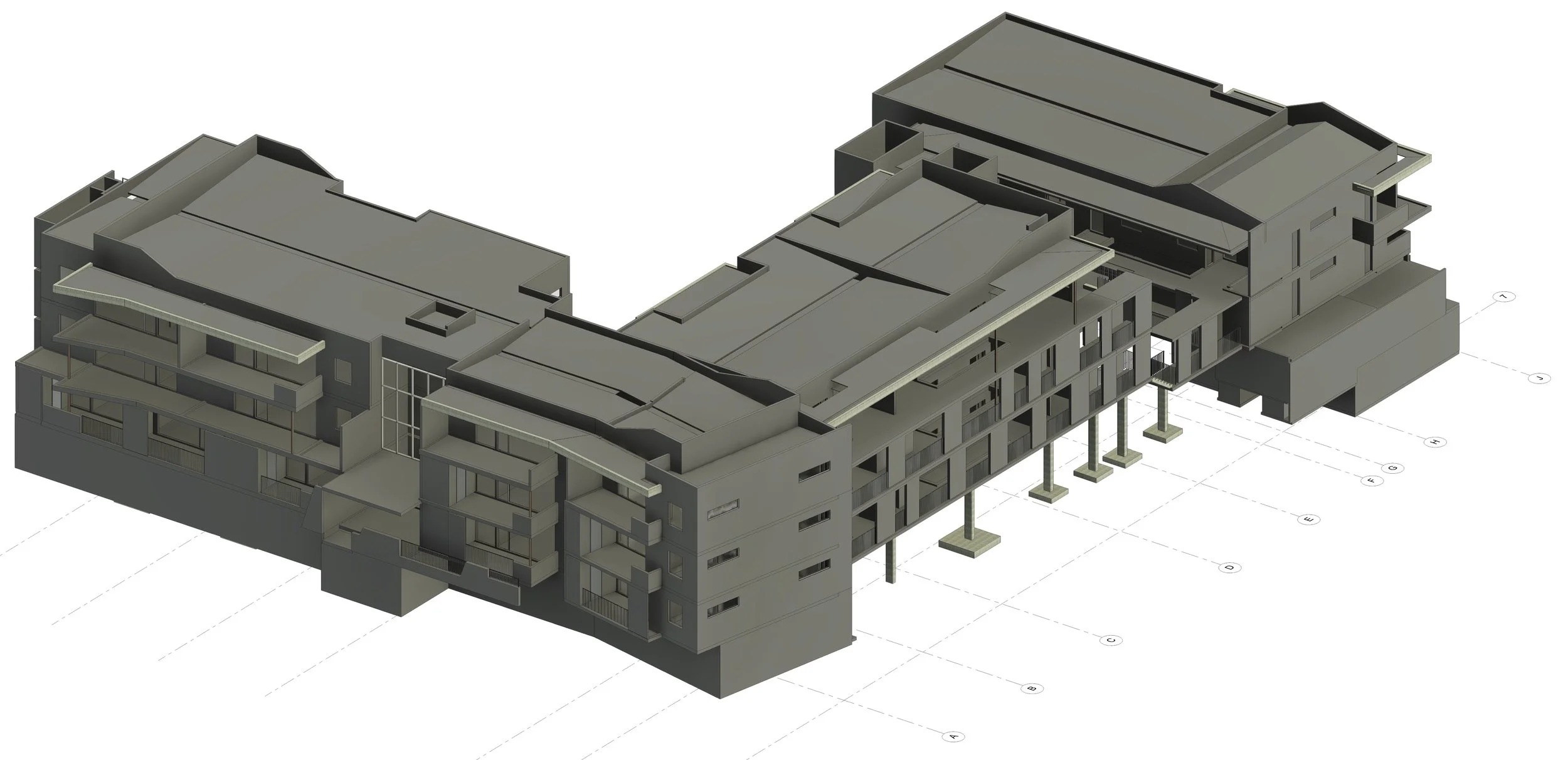
Multi-storey residential apartment development
Reinforced concrete structure with permanent formwork (AFS/TSS walls)
Tight façade tolerances and early trade engagement
Offshore window manufacturing requiring high confidence in set-out
Services provided:
Architectural and Structural BIM modelling
Design coordination and discrepancy reporting
Clash detection and constructability review
Builder-led BIM coordination support
Window set-out verification and digital workflow development
Outcome and value to the builder:
Reduced reliance on site assumptions
Earlier visibility of coordination issues
Fewer RFIs and late design changes
A single, reliable digital reference aligned across disciplines
Improved confidence in downstream trades (windows, façade, finishes)
BIM Nexus scope and technical focus:
Creation of Architectural and Structural 3D models from issued DWG/PDF documentation
Discipline-to-discipline alignment review (ARC ↔ STR)
Identification of discrepancies in:
Wall locations and thicknesses
Slab edges, set-downs, and levels
Openings (windows, doors, penetrations)
Façade alignment across levels
Clash detection and constructability-focused issue reporting
Grouping and issuing coordination items in a builder-friendly format (RFI-ready)
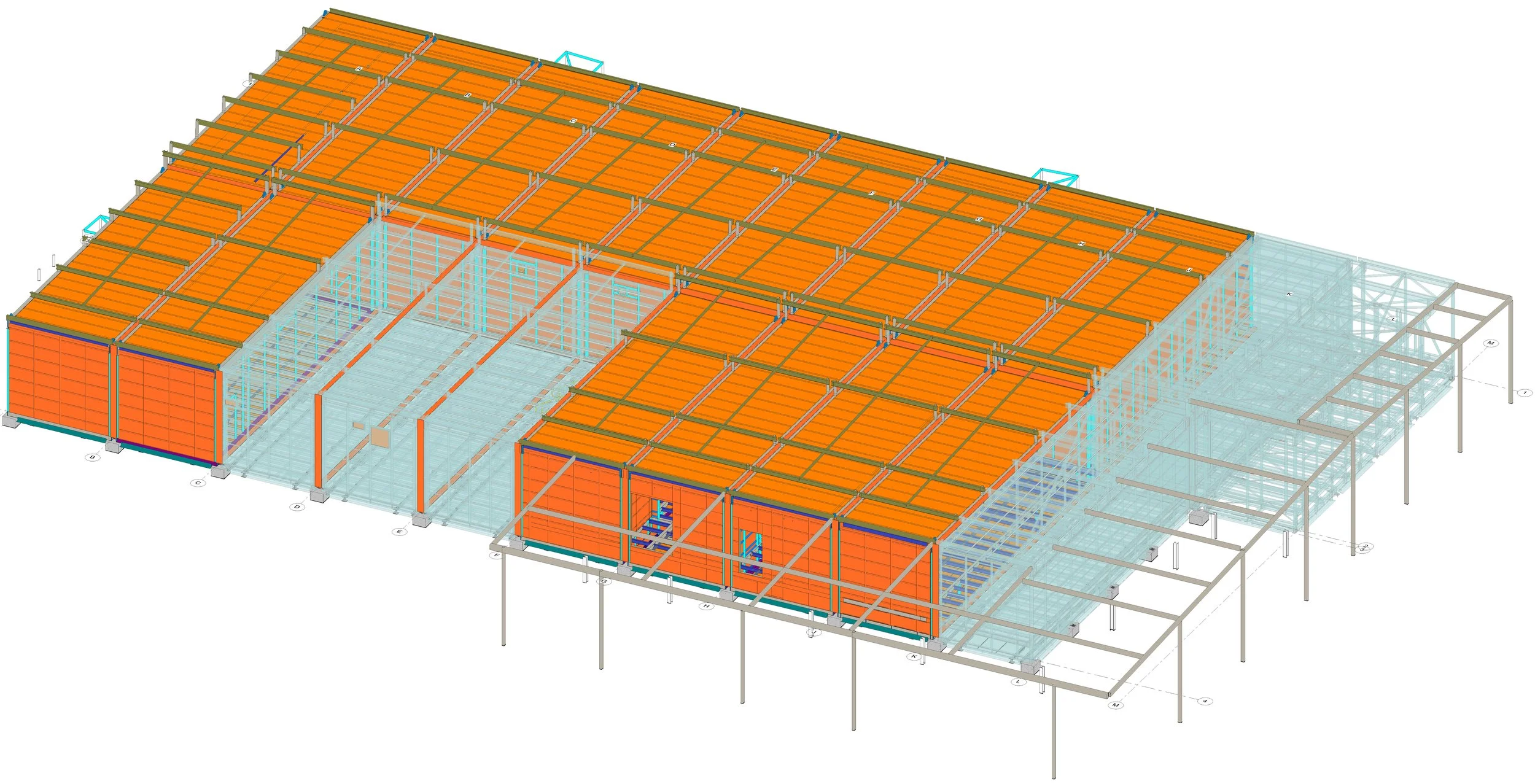
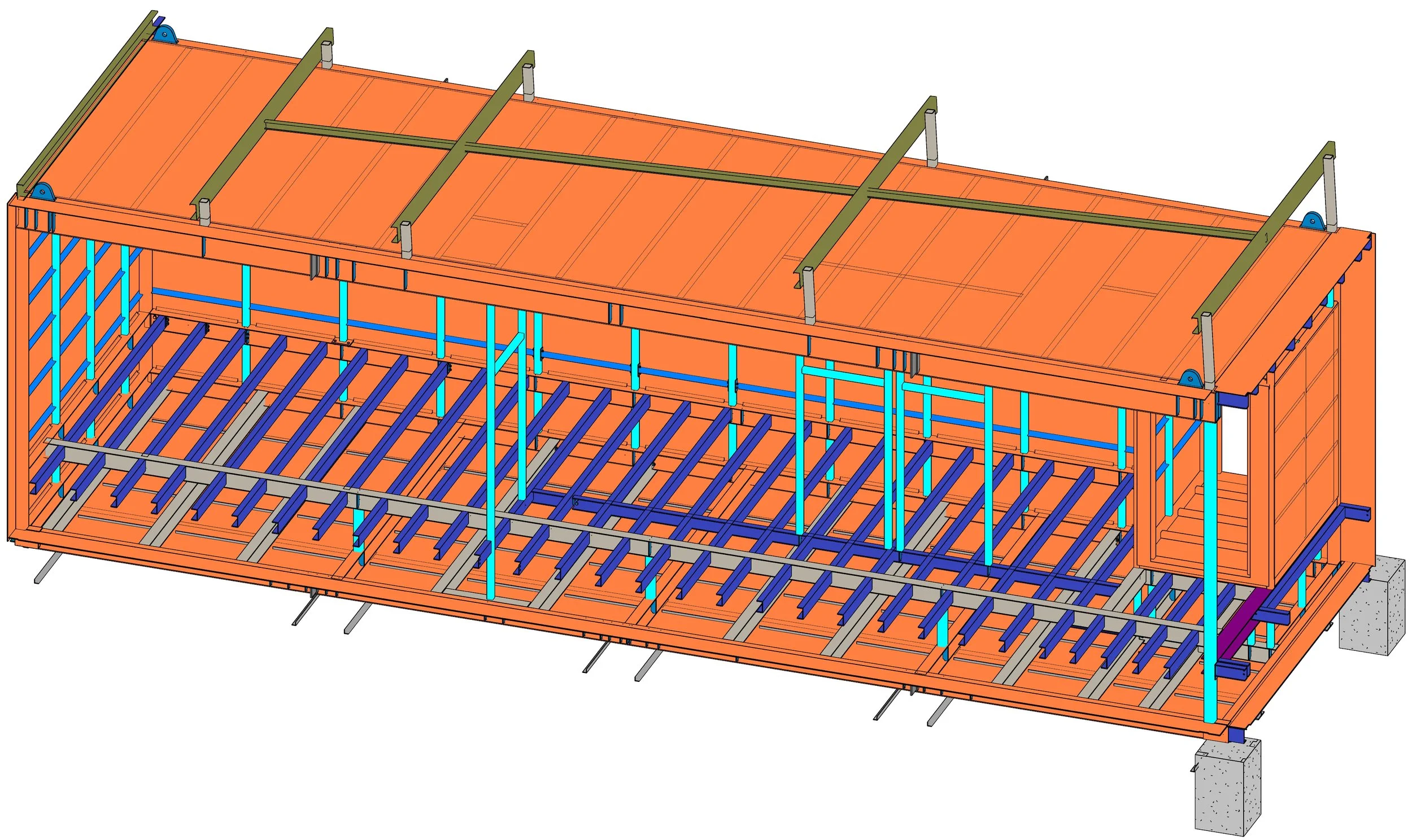
Square Kilometre Array Observatory (SKAO) – CPF Building

The CPF Building is part of the globally significant SKAO project, one of the world’s most advanced scientific initiatives aimed at building the largest and most sensitive radio telescope on Earth. With one of its main observatory sites located in Western Australia, the project places the region at the heart of groundbreaking global radio astronomy.
This unique facility required advanced BIM and design management across architectural, structural, and hydraulic disciplines. The Design/BIM Manager led a team of 12 designers and senior designers, overseeing coordination, BIM execution, and compliance with Australian standards. The role also included managing global stakeholder meetings and ensuring seamless collaboration across all disciplines.
Key technical features of the project included:
Maser Clocks:
The building housed three maser clocks with accuracy up to 10⁻¹⁶ seconds—dividing one second into 10 quadrillion parts.Such extreme precision demanded strict environmental control.
Even human movement could affect clock performance, requiring a detailed vibration study to mitigate any impact.
RFI Shielding (Radio Frequency Interference):
To protect the surrounding array of 131,072 highly sensitive antennas from internal electronic noise:The building was fully wrapped in two layers of 3mm steel sheeting.
This created a controlled, shielded environment that prevented radio frequency emissions from escaping the building and interfering with telescope operations.
Karrinyup Residential Project – Smarter Design, Smoother Build
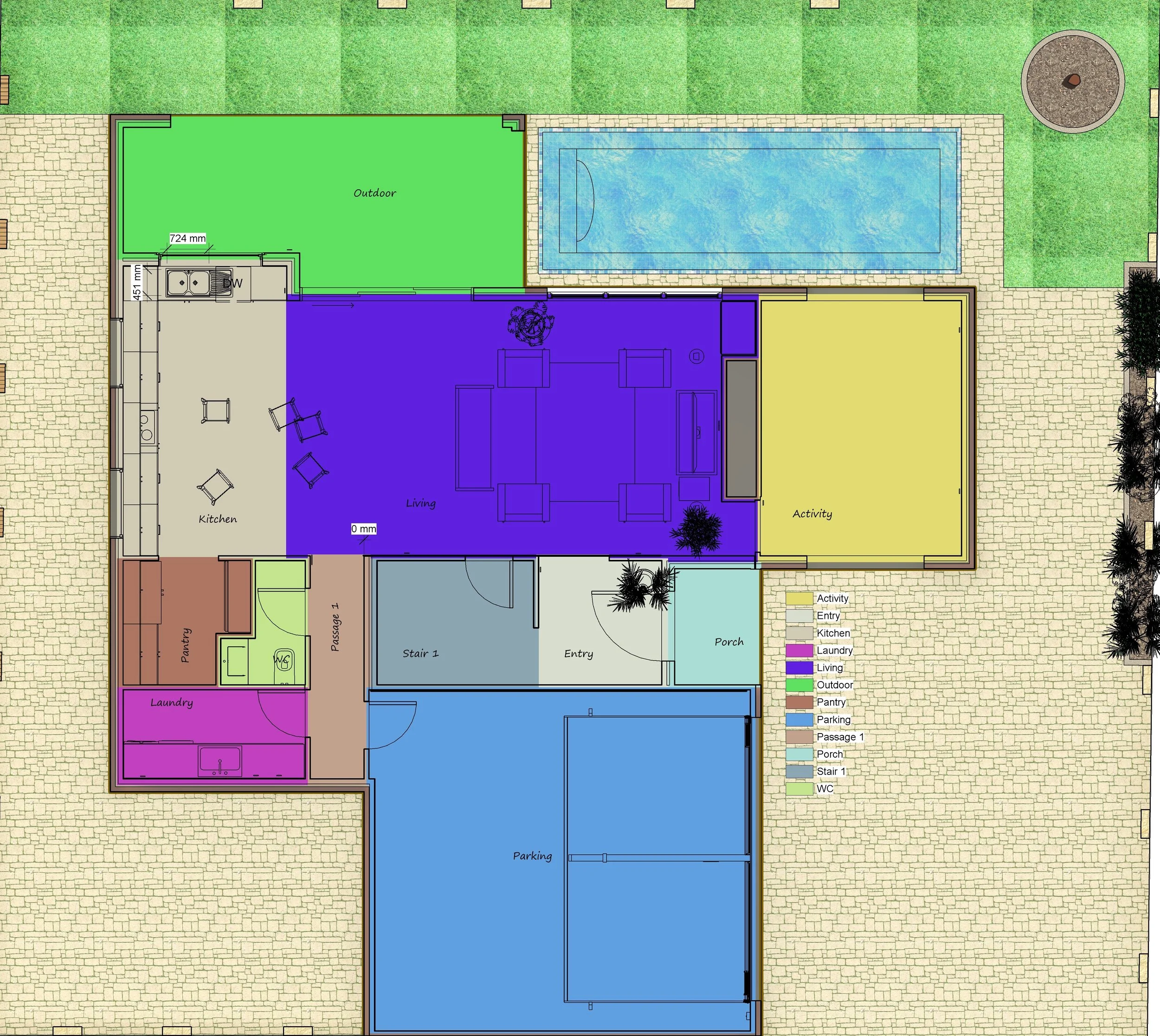
The Karrinyup Project is a great example of how smart planning and early problem-solving can lead to better, more comfortable homes. From the beginning, the client’s ideas were carefully considered and built into the design. Regular meetings with the client and builder helped guide the whole process and avoid delays down the track.
Before construction even started, we used BIM (Building Information Modeling) to spot design issues and fix them early. The builder was especially happy with how smoothly everything went on site, thanks to the clear coordination and planning.
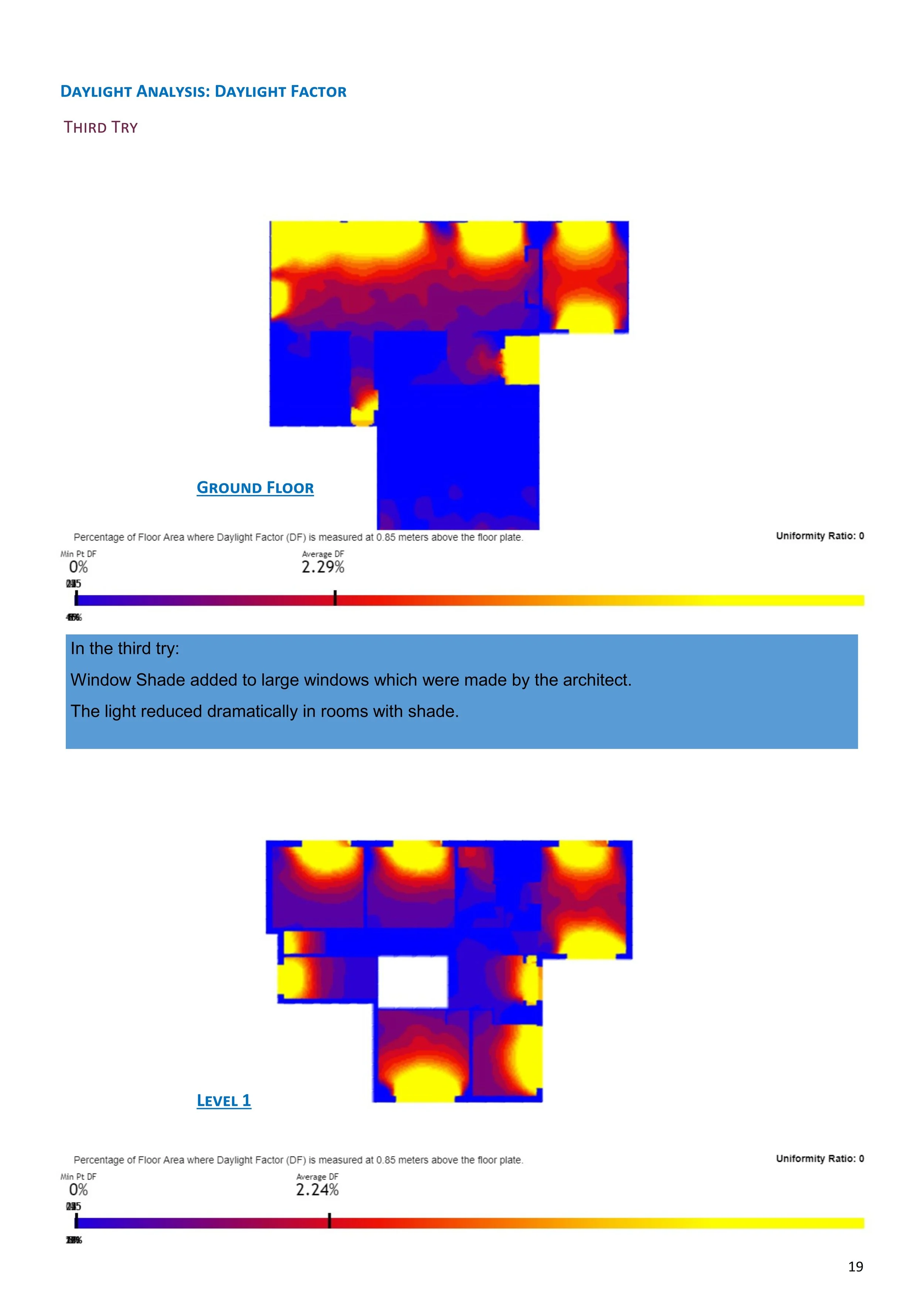
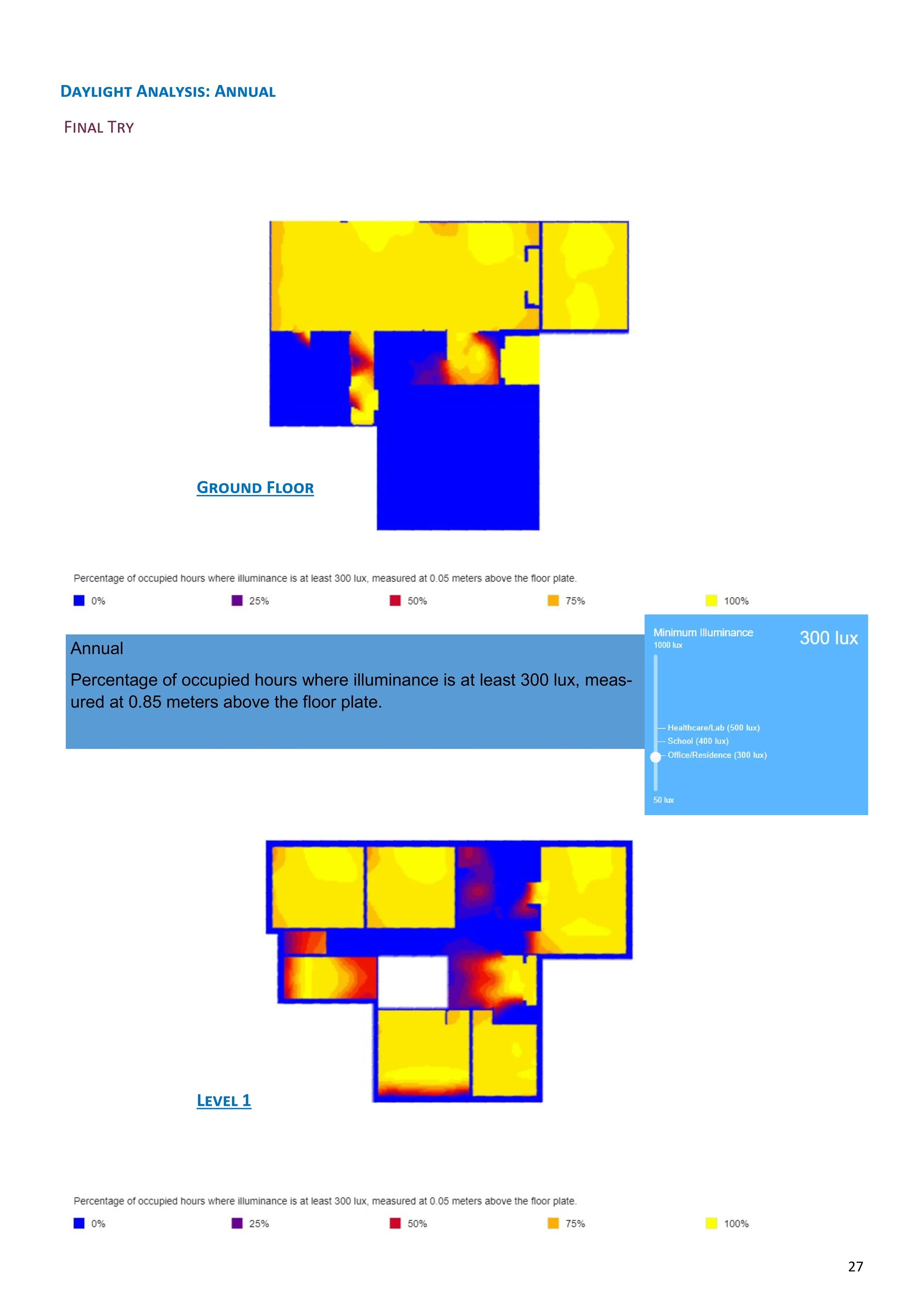
We also carried out a sustainability study that made a real difference:
Reduced running costs by around $3.00 a day through better lighting and air conditioning design.
Increased natural daylight inside the home by an average of 20 minutes per day, making the space feel brighter, healthier, and more enjoyable to live in.
The result?
A well-designed, energy-efficient home that works better for the people who live in it – and a project that stayed on track from start to finish.